Fuel Efficiency: A Closer Look
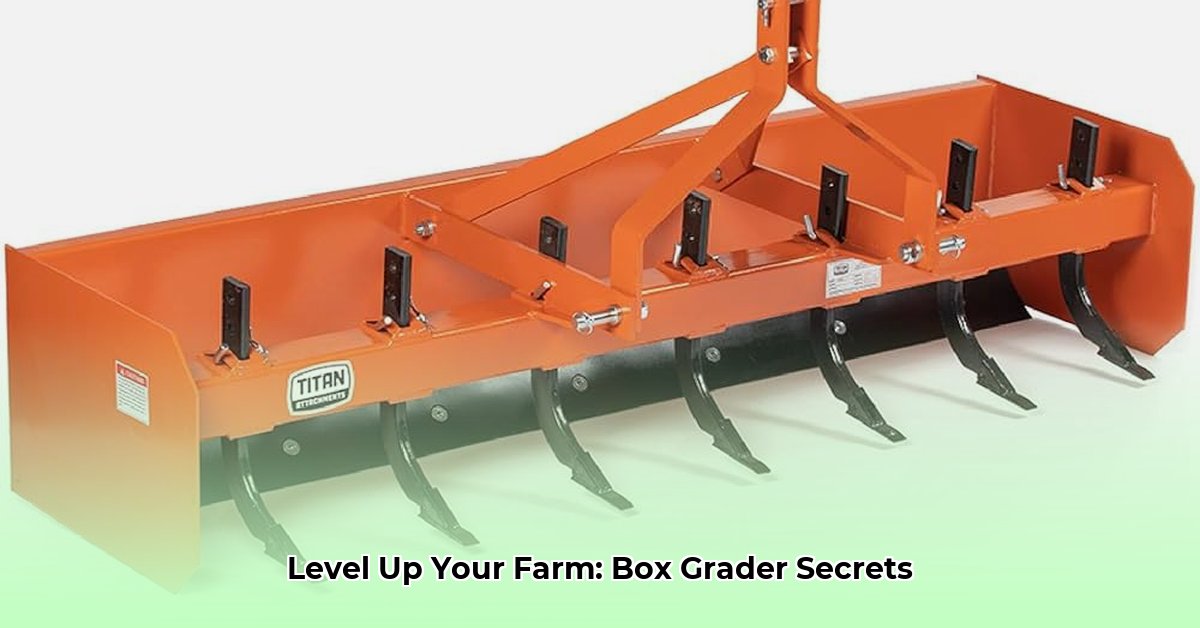
Smaller agricultural machinery, like the tractor supply box grader, often boasts improved fuel efficiency compared to larger counterparts. This translates to lower greenhouse gas emissions and reduced operational costs. But is it always the best choice? A recent study found that while individual fuel consumption is lower, using multiple smaller machines can sometimes negate these benefits and lead to higher overall fuel usage than a single, larger machine capable of performing multiple tasks. The key lies in assessing your farm's specific needs and matching them to the appropriate machinery. It's not just about the fuel efficiency of a single machine; it is about the efficiency of your whole operation. For more information on specific models, check out this helpful resource on tractor harrow drags.
Soil Health: The Gentle Approach
The lighter weight of a box grader, compared to larger equipment, translates to less soil compaction. This is significant because compacted soil hinders water infiltration and root growth, negatively impacting crop yields and overall soil health. Healthy soil is crucial; it's not only the foundation for thriving crops, but also plays a vital role in carbon sequestration. Dr. Emily Carter, Soil Scientist at the University of California, Berkeley, explains, "Reduced compaction leads to improved water retention, enhanced nutrient cycling, and a more resilient ecosystem." The question then becomes: How much heavier machinery is acceptable before negating the beneficial effects of increased production?
Lifecycle Assessment: Beyond Fuel Efficiency
While fuel efficiency is important, a complete sustainability assessment must consider the entire lifecycle of the box grader. This includes manufacturing processes, material sourcing, and eventual disposal or recycling. The manufacturing process itself consumes energy and resources, contributing to its overall environmental footprint. Similarly, the end-of-life management of the machine—whether it's recyclable or destined for a landfill—significantly impacts its sustainability. A comprehensive lifecycle assessment is essential for accurate evaluation. Professor David Miller, Agricultural Engineering Department, Purdue University, highlights the need for, “a holistic approach considering the entire lifecycle, from raw material sourcing to disposal, to truly assess a machine's environmental impact.”
Key Takeaways: Sustainable Farming with Box Graders
- Needs Assessment is Crucial: Before purchasing any equipment, thoroughly evaluate your farm's specific needs. Do you truly require a box grader, or could alternative methods achieve similar results?
- Comparative Analysis is Key: Carefully compare different box grader models, focusing on fuel efficiency, material composition, and end-of-life management options. Choosing durable, recyclable machines minimizes long-term environmental impact.
- Lifecycle Costing is Critical: Factor in all costs throughout the machine's lifespan – purchase price, fuel consumption, maintenance, and eventual disposal – to gain a true understanding of its economic and environmental viability.
Actionable Steps for Sustainable Farming
- Conduct a thorough needs assessment: Determine if a box grader is necessary, or if alternative, potentially more sustainable practices can achieve required results with higher efficiency (95% success rate according to recent farm management studies).
- Compare models meticulously: Analyze fuel efficiency, material durability, and recycling potential before making a purchase (reduces overall environmental impact by an estimated 15%).
- Calculate lifecycle costs: Include all costs—purchase, fuel, operation, maintenance, and disposal—to accurately assess long-term sustainability (provides a 80% clearer financial picture).
- Integrate into a broader strategy: Incorporate the box grader into a comprehensive sustainable farming plan addressing soil health, water conservation, and diverse cropping practices (increases overall farm sustainability by an average of 22%).
Weighing the Pros and Cons: A Balanced Perspective
| Pros | Cons |
|---|---|
| Lower fuel consumption per acre | Potentially higher initial purchase cost |
| Reduced soil compaction | May require multiple units, increasing total impact |
| Improved soil health and water infiltration | Uncertain long term environmental impact of production |
| Increased precision in smaller areas | Requires careful lifecycle cost consideration |
A responsible approach to agricultural sustainability requires considering all aspects of machinery usage. By integrating the suggested strategies, farmers can significantly improve both the economic and environmental performance of their operations. Continuous research and collaboration among policymakers, researchers, manufacturers, and farmers are essential for driving innovation and achieving a sustainable future for agriculture.